As Catholics we are Christian disciples committed to follow the way of the Lord whose response to suffering was to provide care! As Christ healed the sick and broken-hearted with his acts of compassion, our present Christian response to suffering must be in keeping with Christ’s actions by transforming suffering with meaning. When there is no meaning to suffering, that is when it is only pain, and of course people become afraid, angry and depressed. But where there is meaning, because there is love and proper care, in a community of support, suffering can become sacrifice! Sacrifice, in our Christian perspective, is not just another word for ‘put up with’. It literally means, from its Latin root, to make something ‘sacred’. Archbishop Anthony Mancini June 5, 2016 Letter to the Faithful.

Death of St. Joseph
Stain Glass Window, St. Mary’s Cathedral Basilica, Halifax, NS
An evangelizing community knows that the Lord has taken the initiative, he has loved us first. It has an endless desire to show mercy, the fruit of its own experience of the power of the Father’s infinite mercy. Let us try a little harder to take the first step and to become involved. The Lord gets involved and he involves his own, as he kneels to wash their feet. An evangelizing community gets involved by word and deed in people’s daily lives; it bridges distances, it is willing to abase itself if necessary and it embraces human life, touching the suffering flesh of Christ in others. An evangelizing community is also supportive, standing by people at every step of the way, no matter how difficult or lengthy this may prove to be.
Pope Francis 2013 Evangelii Gaudium, The Joy of the Gospel. #24.
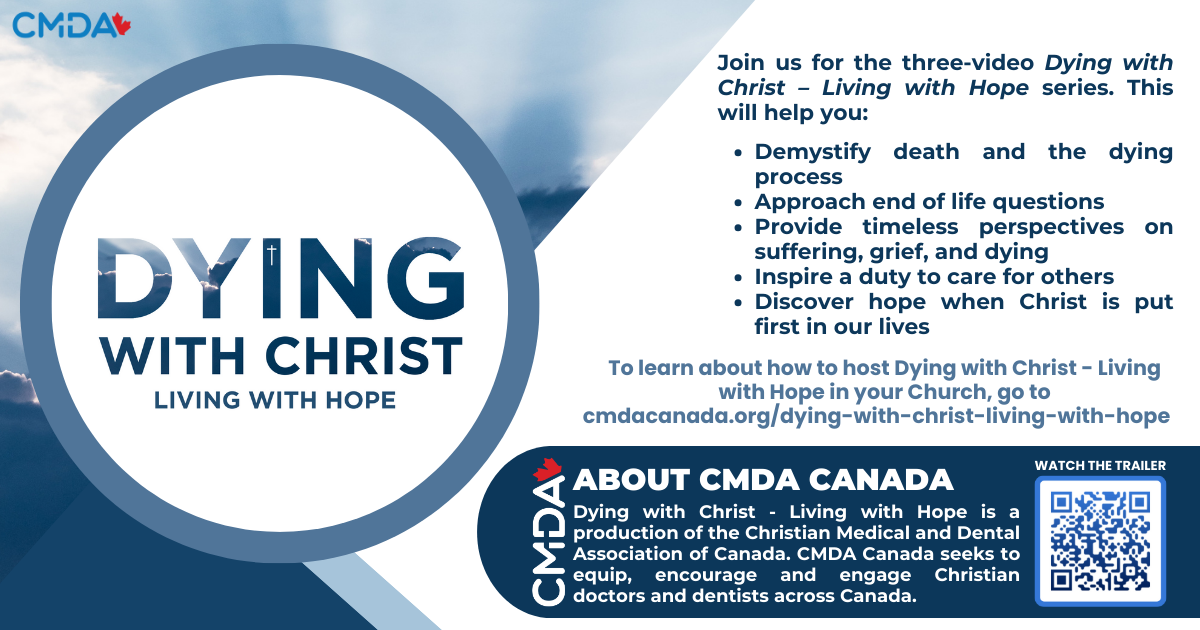
Dying with Christ, Living with Hope

Pastoral Letters on Physician Assisted Dying
* Pastoral Letter on Physician Assisted Dying (Eng/Fr)
By Archbishop Mancini - Link
(includes a download - FAQ on Physican Assisted Dying)
* A Pastoral Reflection on Medical Assistance in Dying
by the Atlantic Bishops
English
French